Understanding Canine Anxiety
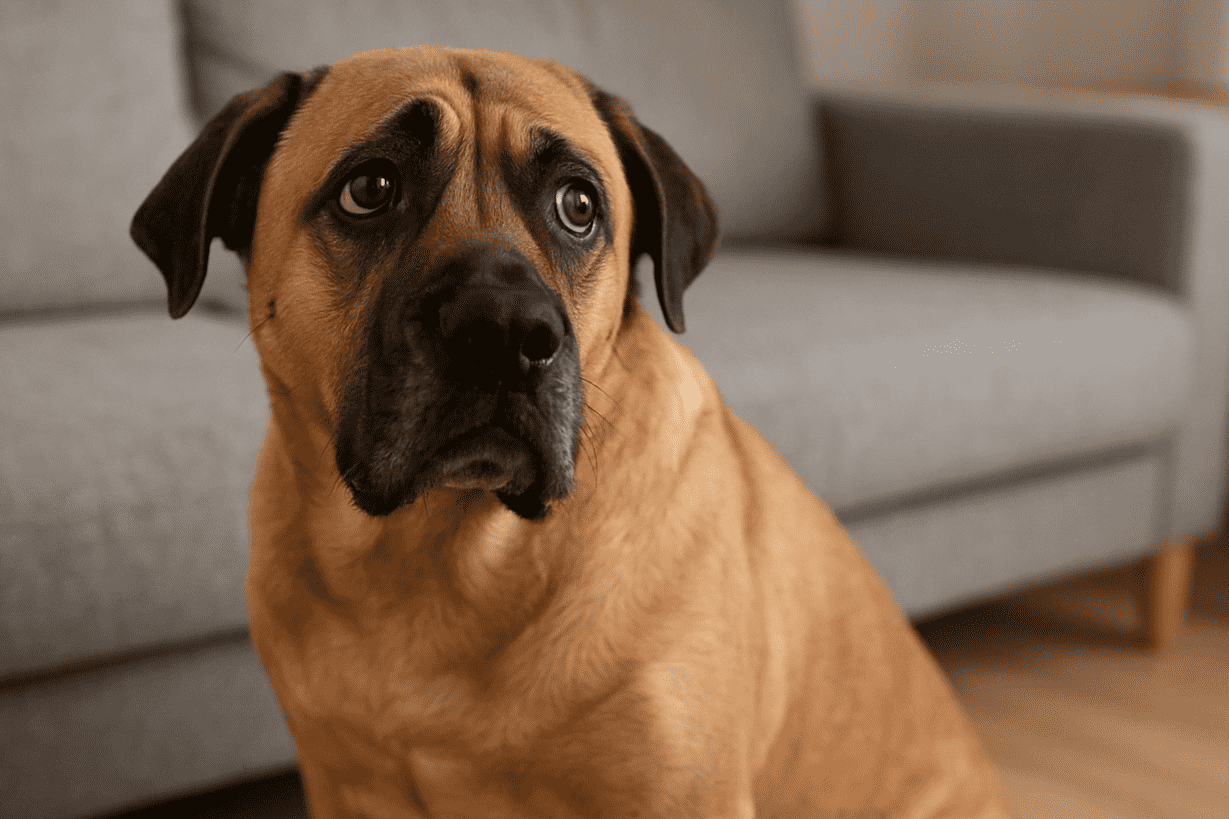
Dogs can feel anxious for lots of reasons, like loud noises, being left alone, or sudden changes in their routine. Signs of anxiety aren’t always obvious. Some dogs bark or whine, while others pace, hide, or chew things they shouldn’t. Learning to recognize these signs is the first step in helping your dog feel calm and safe.
“My dog hides under the bed every time it storms. I didn’t know it was anxiety until I read about it!” – Sarah, Texas
Triggers for anxiety can include loud sounds like fireworks or vacuum cleaners, being left alone for long periods, or even small changes in daily routines. Recognizing these triggers helps you understand what stresses your dog and how to prevent anxious reactions.

Training Techniques That Actually Work
Helping a dog feel less anxious isn’t just about teaching tricks—it’s about building confidence and trust. One of the most effective approaches is positive reinforcement. Reward your dog when they stay calm with treats, praise, or play. Punishing anxious behavior only makes it worse.
“I started giving my dog a treat every time he stayed calm during a thunderstorm. Now he’s much less scared!” – Jason, Florida
Another powerful technique is desensitization and counterconditioning. This means slowly introducing your dog to things that scare them in a safe and controlled way. For example, if your dog is scared of the doorbell, start by ringing it quietly while offering treats, then gradually increase the volume over time. This method teaches dogs that scary situations are safe and helps reduce anxious reactions.
Creating a Safe Space for Your Dog
A safe space is essential for an anxious dog. This could be a cozy crate, a quiet corner, or even a favorite bed. Adding blankets, toys, and familiar items makes the space feel secure. Encourage your dog to retreat there when they feel nervous.
“I made a little nook with his bed and favorite toys. He goes there whenever he feels nervous. It works like magic!” – Emily, New York
Consistency is key. A safe space should always be available so your dog knows there’s a reliable place to relax whenever anxiety strikes.
Calming Aids That Really Help
Sometimes training and a safe space aren’t enough, and calming aids can make a big difference. Anxiety wraps or vests provide gentle pressure that reassures your dog, while pheromone diffusers release calming scents into the environment. Calming chews with natural ingredients like chamomile or L-theanine are also helpful, and even soft music or white noise can block out scary sounds like thunderstorms or fireworks.
“I tried a calming vest for my dog and he stopped trembling so much. It really helped during fireworks!” – Mike, California
If your dog’s anxiety is severe or doesn’t improve with these strategies, it’s important to consult your vet. They can suggest professional training techniques, therapy, or medication if necessary.
Owner FAQs About Dog Anxiety
Even with all the tools and techniques, dog owners often have questions. Here are the most common ones:
Can my dog’s anxiety go away on its own?
Mild anxiety sometimes improves over time, but most dogs need help through training, routine, or calming aids. Ignoring anxiety usually makes it worse.
Are calming chews safe for my dog?
Most natural calming chews are safe. Always check labels and consult your vet before introducing a new supplement.
How long does it take to reduce anxiety?
Results vary by dog. Some show improvement in a few weeks, others may take a few months. Patience and consistency are key.
Can dogs be anxious even if they seem happy?
Yes. Subtle signs like panting, yawning, or pacing can indicate anxiety even when your dog appears calm.
Should I leave my dog alone if they’re anxious?
Gradual training helps dogs handle alone time. Leaving them alone suddenly during high anxiety can make things worse.
Do all dogs need calming aids?
Not always. Some dogs respond well to training and safe spaces alone. Calming aids help dogs with stronger anxiety or specific triggers.
When should I see a vet?
If anxiety is severe, worsening, or causing destructive behavior, it’s time to consult a vet. They can provide therapy, training strategies, or medication if needed.
Final Thoughts
Dog anxiety is common, but with patience, training, a safe space, and calming aids, most dogs can feel much calmer and happier. The key is noticing the signs, helping your dog feel secure, and supporting them with tools and techniques that work. With a little time and effort, you’ll see more tail wags, fewer stressed moments, and a happier furry friend by your side.