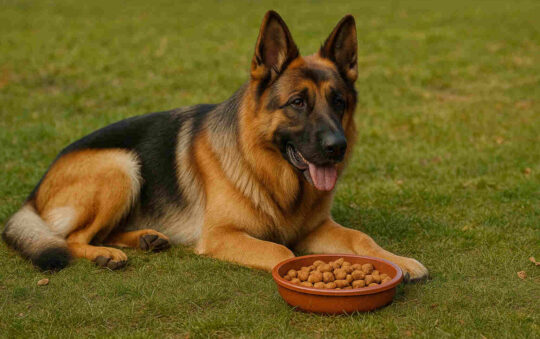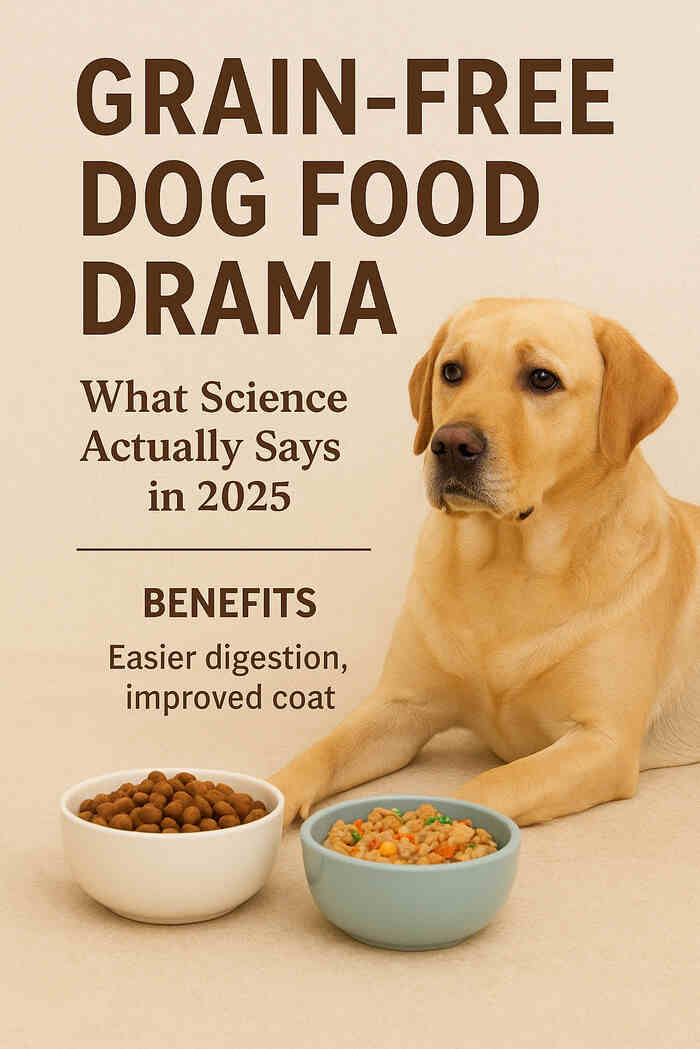
If you’ve spent any time in a pet store or scrolling through dog food TikToks lately, you’ve probably seen the debate—is grain-free dog food good or bad? The topic has caused confusion, frustration, and even fear for dog parents across the U.S.
So, what’s the truth in 2025? Is grain-free dog food dangerous, or is it just misunderstood? Let’s dig into what the latest science actually says—without the hype.
🌾 How the Grain-Free Craze Started
About a decade ago, grain-free dog food took off like wildfire. Marketers claimed that dogs should eat like their “wolf ancestors,” avoiding grains like corn, wheat, and soy. Pet owners loved the idea—it sounded natural, premium, and allergy-friendly.
“When grain-free first hit the shelves, I switched right away. My husky loved it, and I thought I was doing the best for him.” – Jenna, Colorado
But then in 2018, the FDA began investigating a possible link between grain-free diets and canine dilated cardiomyopathy (DCM)—a serious heart condition. The news sent shockwaves through the dog world.
🧪 The Science in 2025: What We Know Now
After years of research, scientists have a clearer picture. Here’s what current studies and veterinary experts say in 2025:
-
There’s no single ingredient to blame. The issue doesn’t seem to be “grains” vs. “no grains,” but rather how some grain-free foods are formulated.
-
Legumes (like peas and lentils)—common grain substitutes—may interfere with nutrient absorption (like taurine), especially if they make up too much of the recipe.
-
Taurine deficiency or imbalanced diets can contribute to heart issues in some dogs, but not all.
-
Not every grain-free food is bad. Some high-quality brands have adjusted their formulas to meet new research standards.
“My vet helped me find a balanced grain-free formula that’s taurine-fortified. I feel better knowing it’s not just marketing—it’s backed by updated science.” – Ryan, Florida
🥣 Should You Feed Grain-Free Dog Food in 2025?
It depends on your dog. Here’s a quick guide:
✅ Grain-free may help if your dog has confirmed grain allergies (which are rare but possible).
❌ Grain-free might not be ideal if you’re just avoiding grains for marketing reasons or following online trends.
💬 Always check the label—you want a food that’s balanced, with real meat as the first ingredient and added taurine for heart health.
“I went grain-free because I thought grains were bad. Then my vet explained that dogs have evolved to digest grains just fine. Now we mix both, and my beagle’s coat has never looked better.” – Megan, Illinois
🩺 What Veterinarians Recommend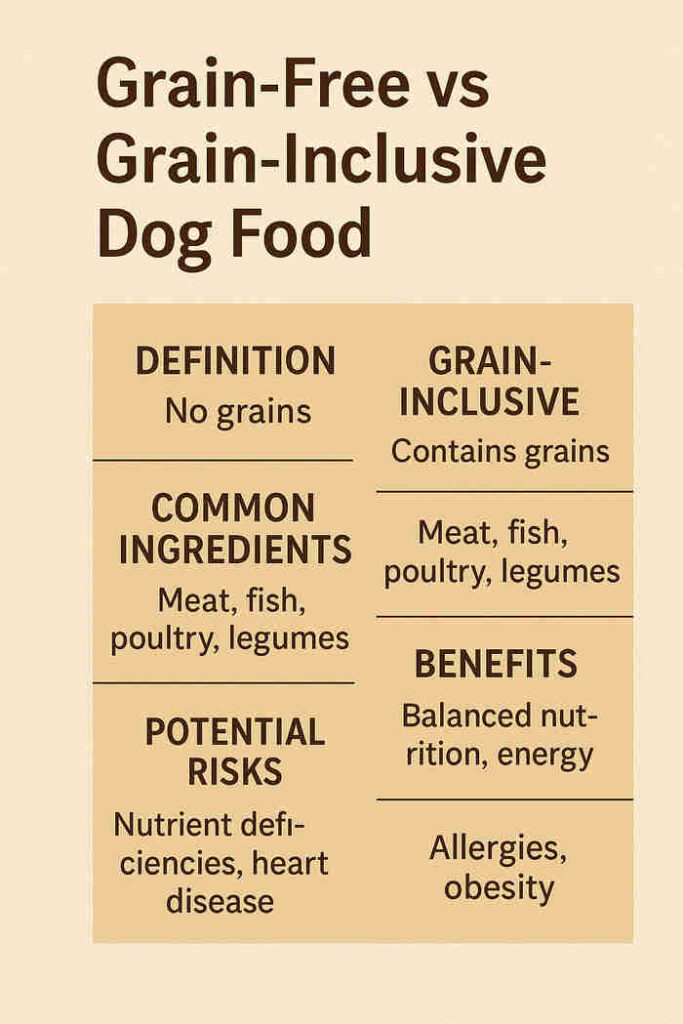
Most vets now say it’s not about grains—it’s about balance. The best food is the one that fits your dog’s health, age, and activity level.
They recommend:
-
Choosing brands that work with board-certified veterinary nutritionists
-
Looking for AAFCO-approved foods (meet complete and balanced nutrition standards)
-
Talking to your vet before switching diets—especially if your dog has a heart murmur or past DCM concerns
❓FAQs: Grain-Free Dog Food 2025
Is grain-free dog food bad for dogs?
Not necessarily. Some are well-formulated and safe, but others can lack key nutrients. It depends on the brand and recipe.
What’s the deal with heart disease and grain-free food?
Early research showed a possible link between grain-free diets (especially those heavy in peas/lentils) and heart issues. Updated studies show it’s more about nutrient balance, not just grains.
Should I switch my dog to grain-free food?
Ask your vet. If your dog is healthy, energetic, and has normal heart function, you may not need to switch—but your vet can help confirm.
Are grains bad for dogs?
No. Most dogs can digest grains just fine, and they provide healthy carbs, fiber, and nutrients.
What’s the safest dog food to buy in 2025?
Look for foods from reputable brands that list real meat first, contain balanced nutrients, and are backed by veterinary nutrition research.
🐾 Final Thoughts
The grain-free dog food drama has calmed down a lot in 2025—but confusion still lingers. The truth? There’s no one-size-fits-all answer.
Some dogs thrive on grain-free diets, others do better with whole grains. The key is quality, balance, and evidence-based choices, not trends or fancy packaging.
“I used to chase every new diet trend. Now, I stick with what works and what my vet recommends. My senior shepherd is thriving, and that’s all that matters.” – Lisa, New York
So don’t stress about labels. Focus on what keeps your dog happy, healthy, and wagging their tail.