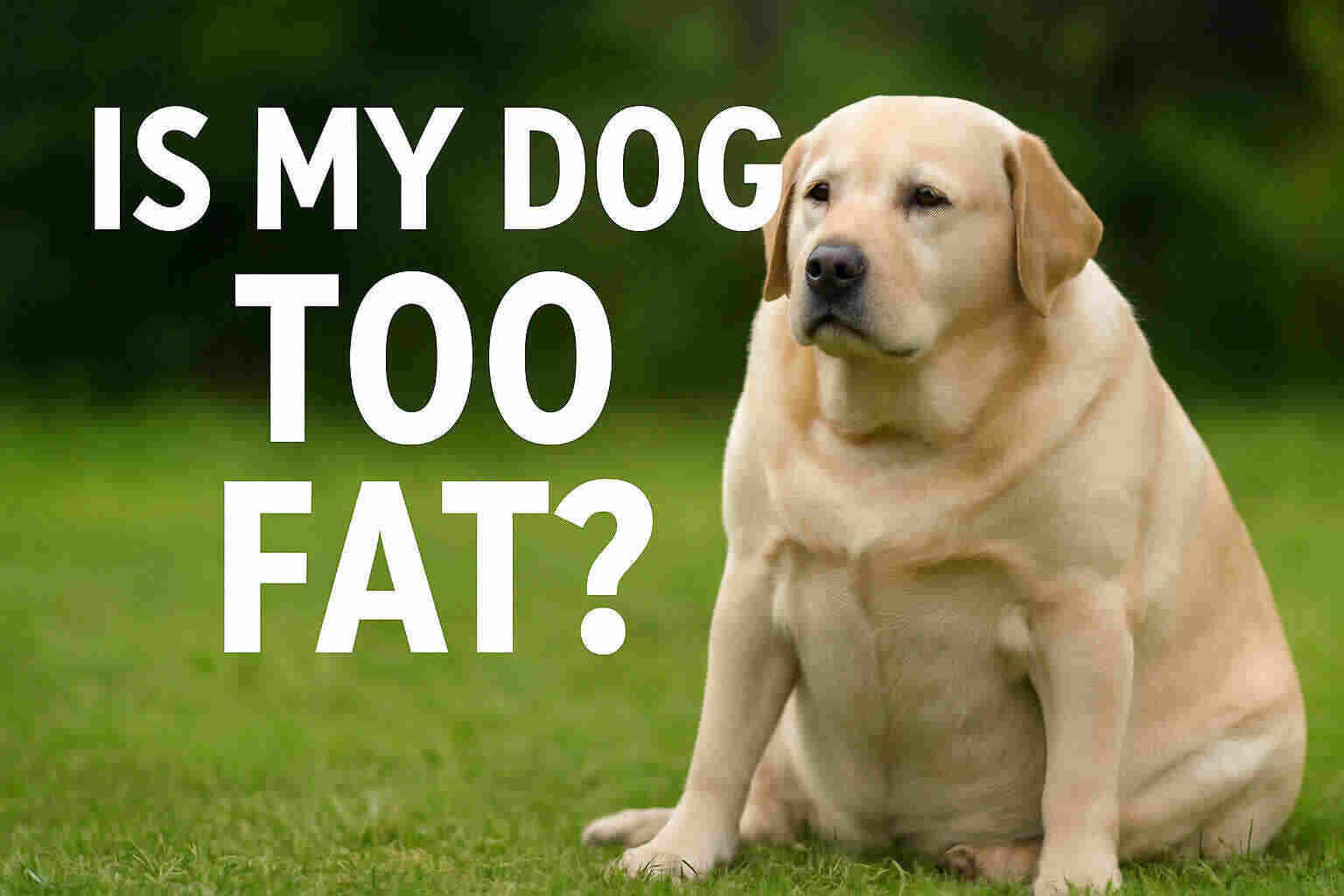
It’s easy to spoil our pups with treats and big meals, but sometimes that extra love shows up around their waistline. While a chubby dog might look adorable, carrying too much weight can cause serious health problems like arthritis, diabetes, and even heart disease.
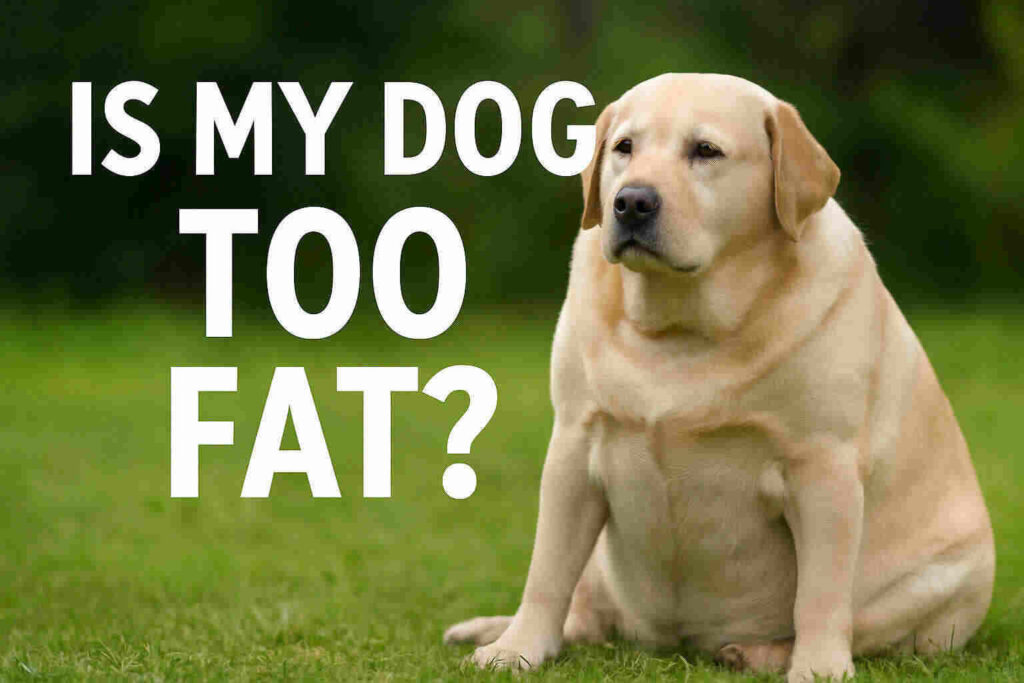
Quick Answer: Is My Dog Too Fat?
Dogs that are overweight often lack a visible waist, have trouble moving, and feel round when you pet them instead of having an easy-to-feel ribcage. A healthy dog should have a slight tummy tuck when viewed from the side and a defined waist when seen from above. If your dog is overweight, safe weight loss comes from portion control, healthier treats, more daily activity, and—if needed—switching to a vet-recommended weight-control food. Slow weight loss of 1–2% of body weight per week is the safest and most effective goal.
Why Dog Weight Matters
A healthy weight isn’t just about looks—it’s about your dog’s quality of life. Extra pounds put stress on joints, make it harder to breathe, and can shorten a dog’s lifespan.
“I thought my lab’s rolls were adorable until the vet said his joints were paying the price. That’s when I knew I had to make a change.” – Karen, Ohio
The good news? Most dogs can slim down safely with a few small lifestyle changes.
How to Tell if Your Dog is Overweight
One of the simplest ways to check is the rib test. You should be able to feel your dog’s ribs without pressing too hard. From above, a healthy dog has a waist that tucks in slightly. From the side, you should see a little tummy tuck behind the ribs.
“I didn’t realize my pug was overweight until I noticed he had no waist at all. He looked more like a sausage than a dog!” – Miguel, California
If you’re unsure, your vet can use a body condition score chart to tell exactly where your dog stands.
Simple Steps for Dog Weight Loss
Helping your dog lose weight doesn’t mean starving them. It’s all about smarter habits:
-
Measure meals, don’t guess. Use a measuring cup or scale for accuracy.
-
Cut back on treats (but don’t cut them out). Stick to no more than 10% of daily calories. Try carrots or green beans as healthier snacks.
-
Exercise daily. Walks, fetch, swimming, or even short play sessions make a big difference.
-
Switch to weight-control food. Lower-calorie foods keep dogs full without the extra pounds.
“I started taking short evening walks with my beagle. At first, he lagged behind, but now he pulls me to go faster. He’s lost weight, and I’ve lost a few pounds too!” – Denise, Florida
Why Patience Pays Off
Weight loss in dogs takes time. A safe rate is 1–2% of body weight per week, which may not sound like much, but over months it adds up to a healthier, more energetic dog.
“It took six months for Max to reach a healthy weight, but now he runs like a puppy again. Totally worth it.” – Alicia, New Jersey
FAQs: Dog Weight Loss
How do I know if my dog is too fat?
If you can’t feel ribs easily, your dog has no waistline, or they tire quickly, they may be overweight. Your vet can confirm.
Can I just feed my dog less?
Not exactly. Cutting food too much can cause malnutrition. Portion control and healthier food choices are safer.
How much exercise does my dog need?
Most dogs need at least 30 minutes a day, though some breeds need more. Start small if your dog is out of shape.
Are “diet” dog foods safe?
Yes, especially when recommended by your vet. They’re designed to reduce calories without leaving dogs hungry.
How long will it take my dog to lose weight?
Most dogs take a few months to slim down safely. Patience and consistency are key.
Final Thoughts
Keeping your dog at a healthy weight isn’t just about numbers—it’s about giving them a longer, happier life. By watching portions, staying active, and working with your vet, you’ll see results. The best part? You’ll enjoy more energy, more playtime, and more tail wags together.